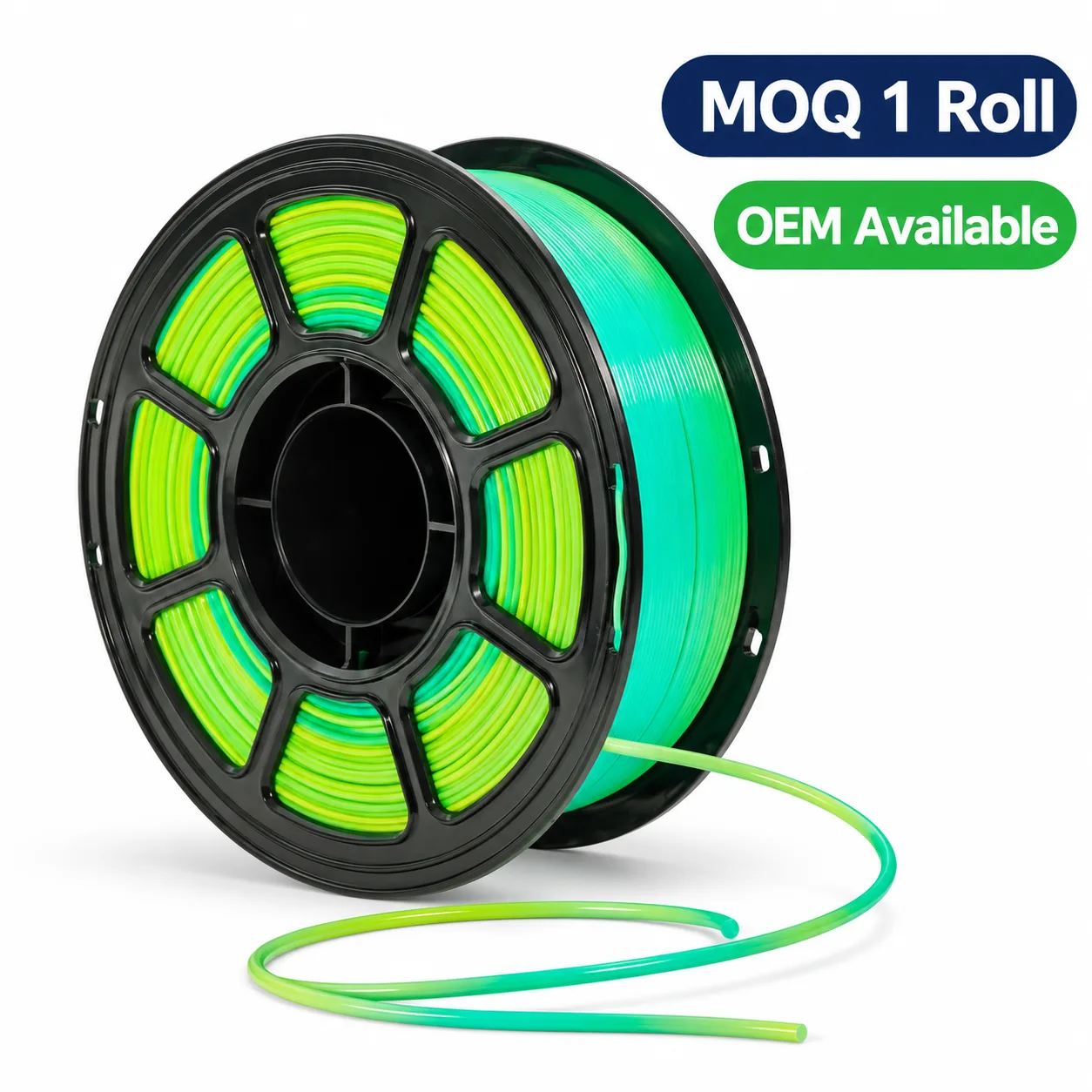
Spring Mix PETG Filament 1.75mm 1kg Yiqiu3D Tough Impact-Resistant

Brand: Yiqiu3D · Model: PETG 1.75mm 1kg · Drop a PLA bracket on the floor and it cracks along the layer line. This PETG grade bends before it breaks: the strand bonds layer to layer and absorbs knocks that shatter brittle PLA, so outdoor enclosures, brackets, clips and water-adjacent jigs survive being dropped, stacked and handled. Printed at 230-260 °C it lays a dense bead with strong interlayer adhesion instead of a chalky wall that splits at the first impact - a difference one trial print on your own machine will confirm.

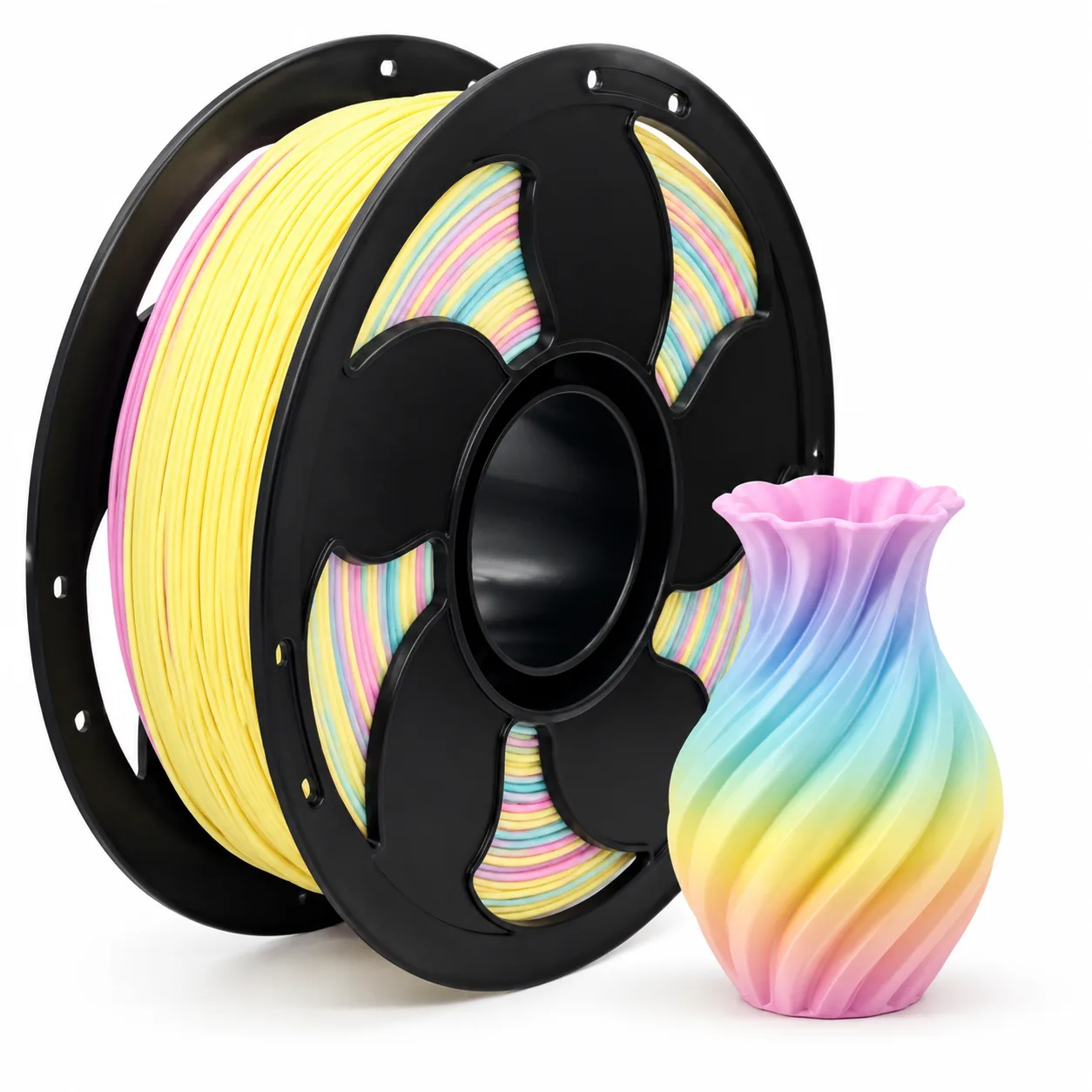
  • Four mix references are stocked: PETG Spring Blossom Mix
  • Recorded parameters: 1.75 mm diameter
  • Runs on standard 1.75 mm FDM machines - Bambu Lab
Compare filaments
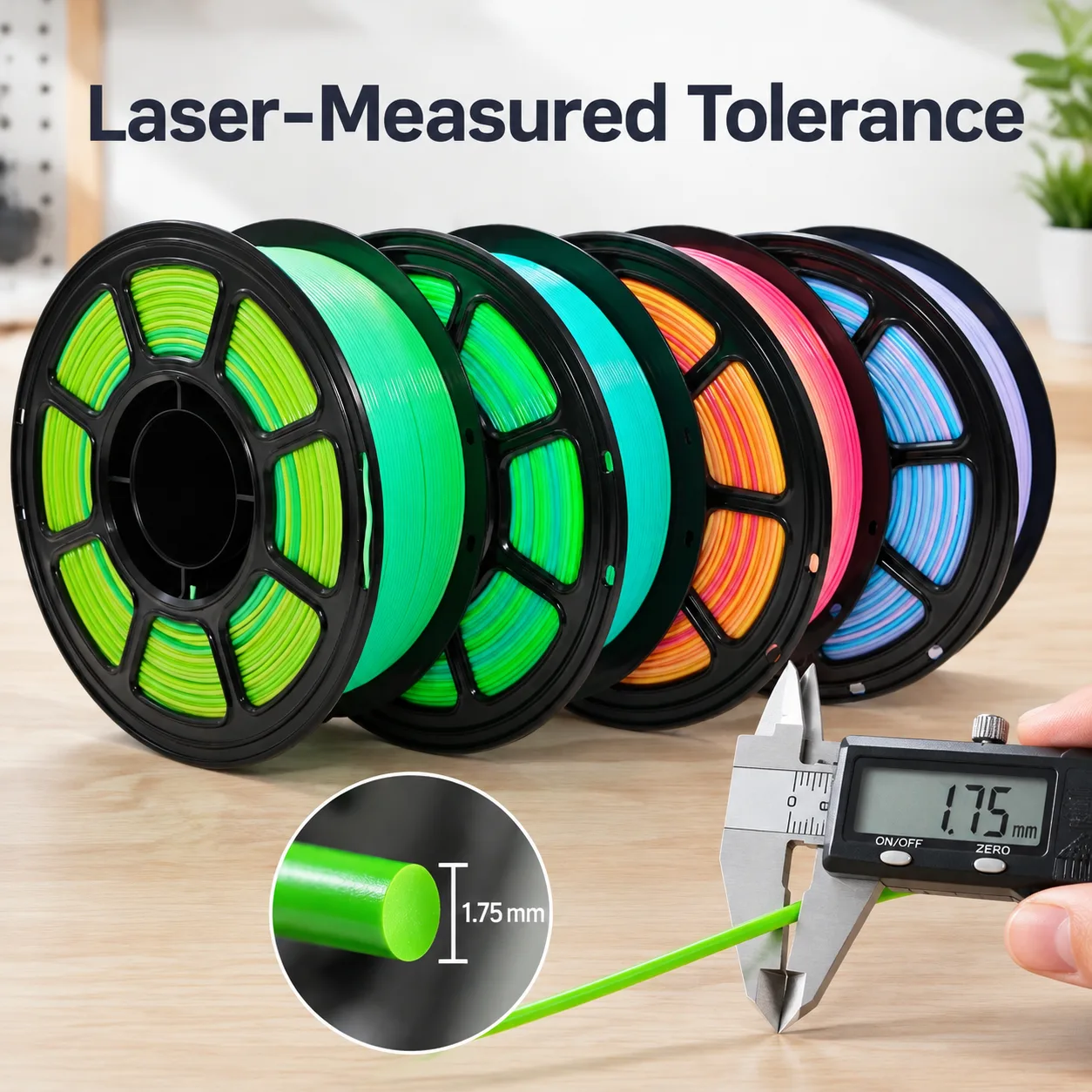
Diameter 1.75mm
Tolerance ±0.03mm
Material PETG
Quick Answer

Why does PETG survive impacts that crack PLA?

PLA is stiff but brittle: it has almost no give, so an impact concentrates at one layer boundary and the part splits there. PETG is a glycol-modified PET, which makes the polymer chain more flexible, so the same impact is spread through the wall and the part flexes instead of cracking. That flexibility also gives PETG stronger layer-to-layer bonding and better resistance to moisture and to many common chemicals than PLA. It is not a high-temperature material - for parts held above roughly 70 °C, ABS or PC is the right grade.

Full answers below
Is it right for my project?

Best for: For durable, moisture- and chemical-resistant parts - outdoor enclosures, brackets and water-adjacent jigs - available in 4 colours; lead colour PETG Spring Blossom Mix. Not ideal for: Not for high-temperature engine-adjacent parts; use ABS or PC above ~70C - available in 4 colours; lead colour PETG Spring Blossom Mix.

Print settings

Nozzle 230-260°C · Bed 70-80°C

01 · Why this one

Product highlights

4 reasons

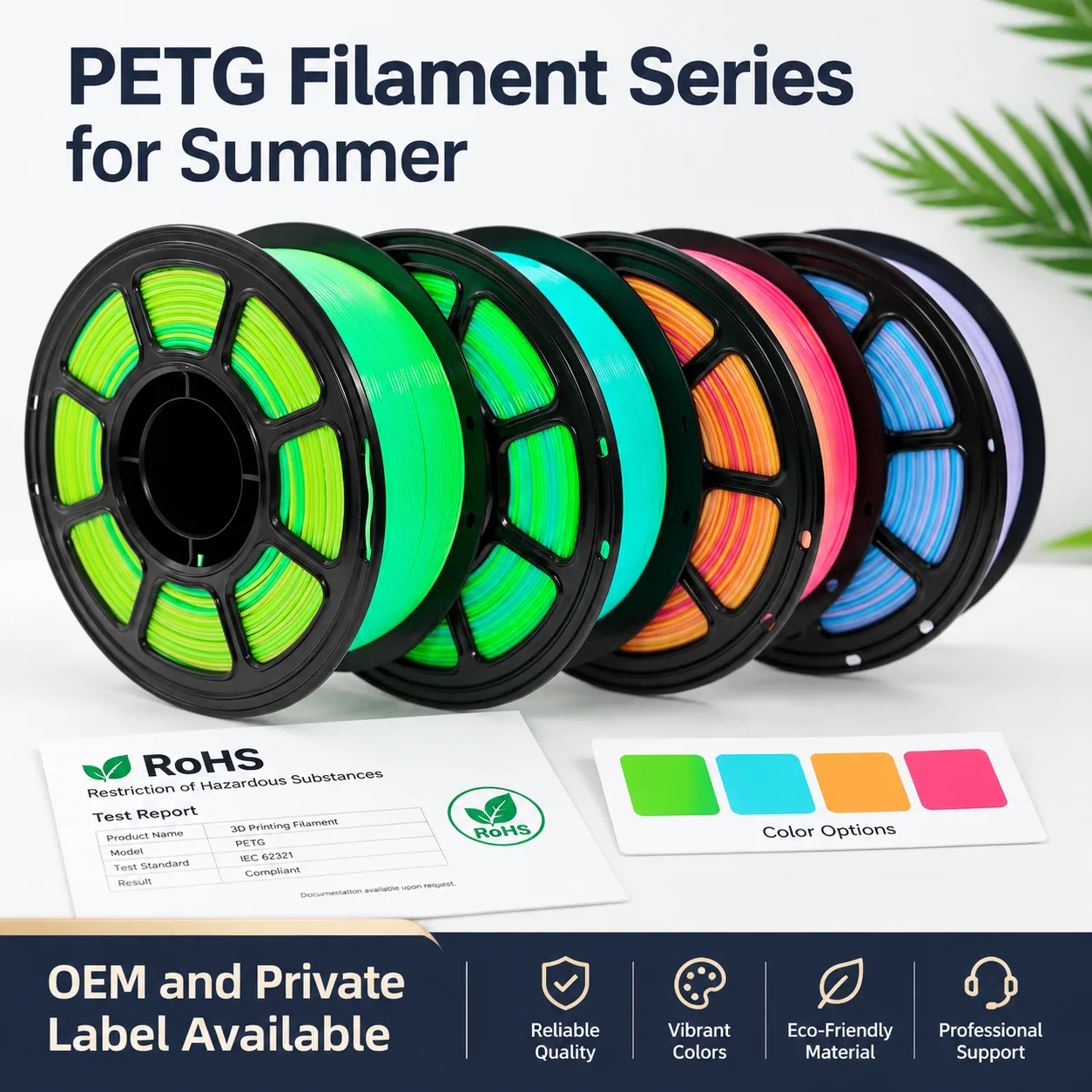
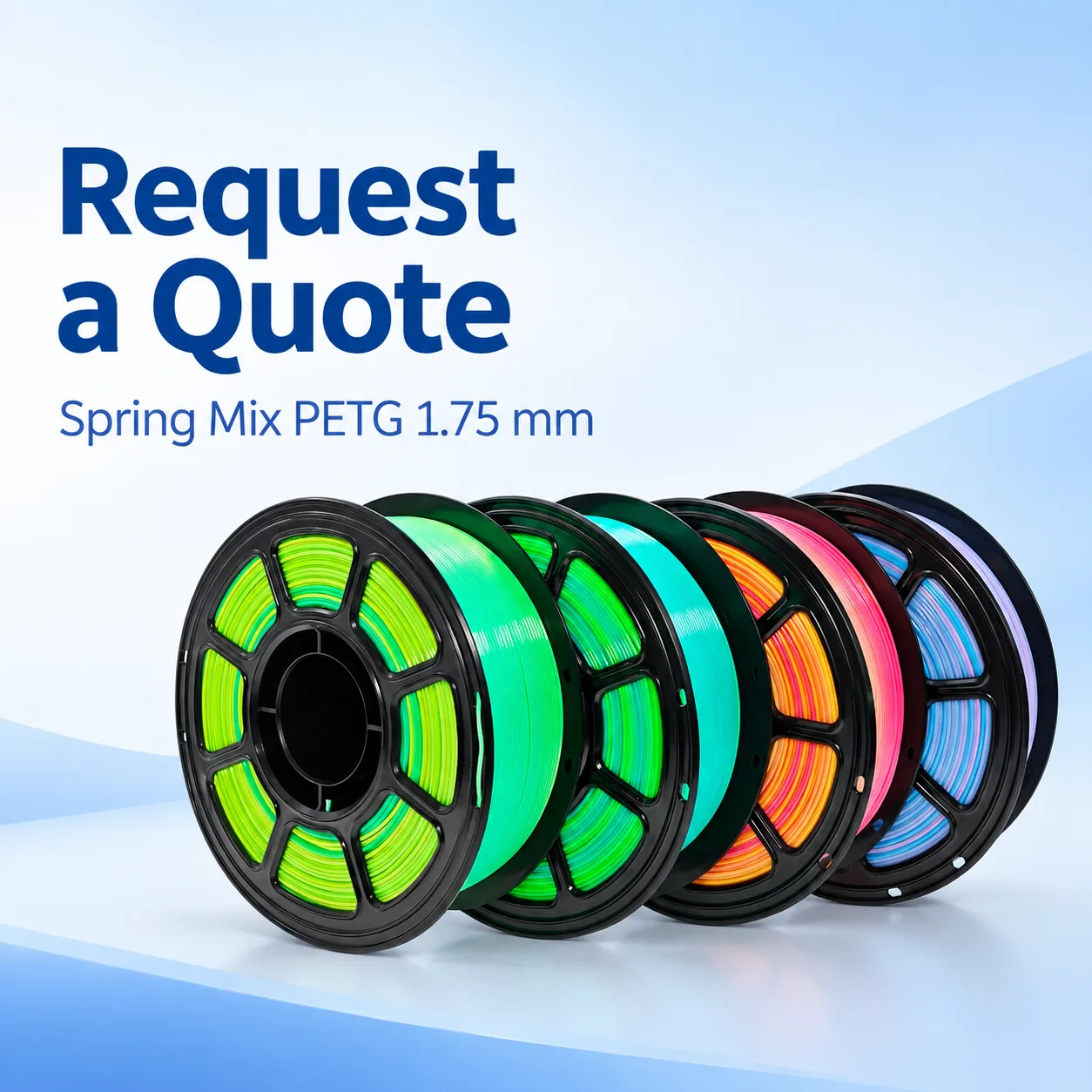
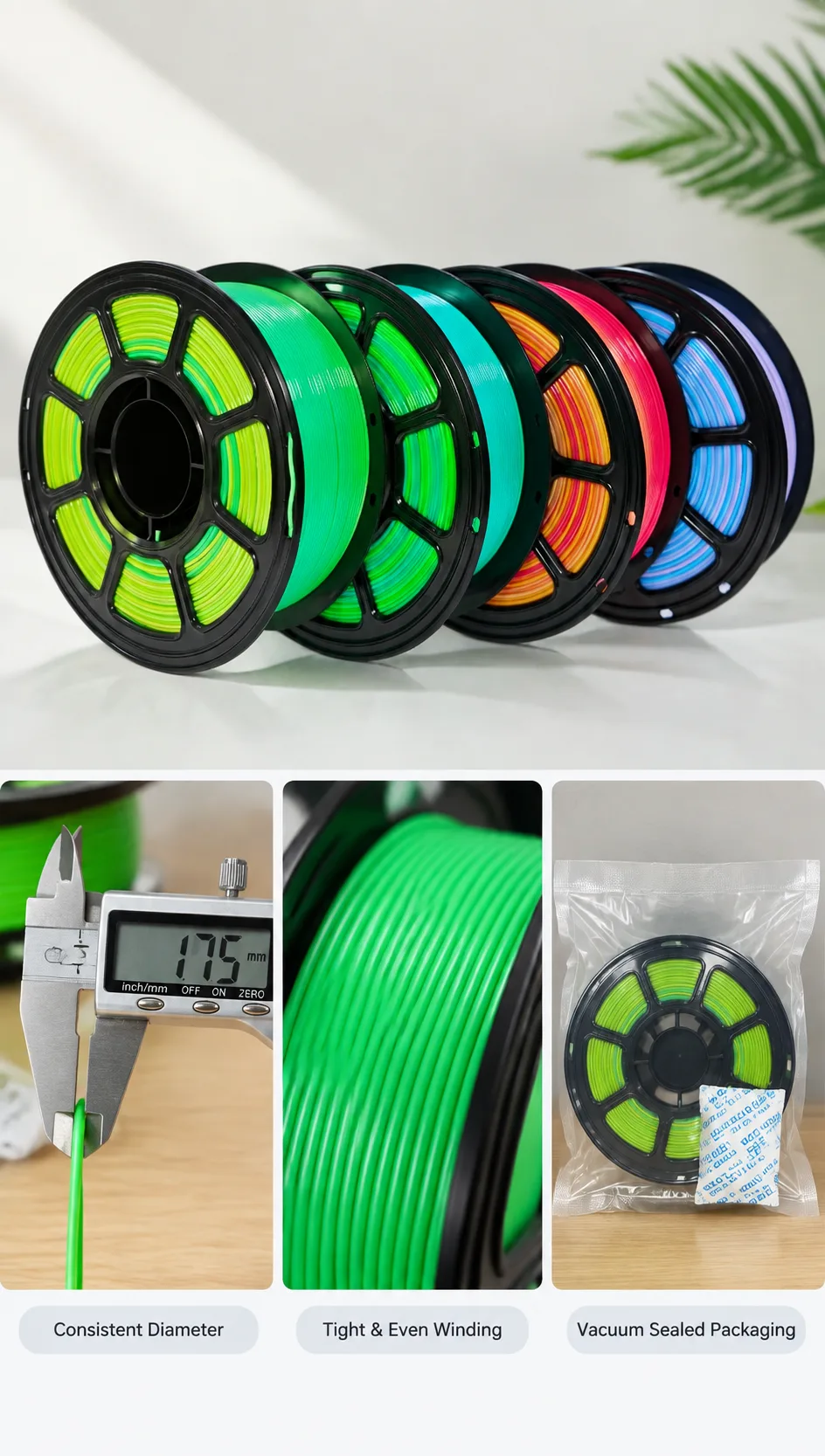
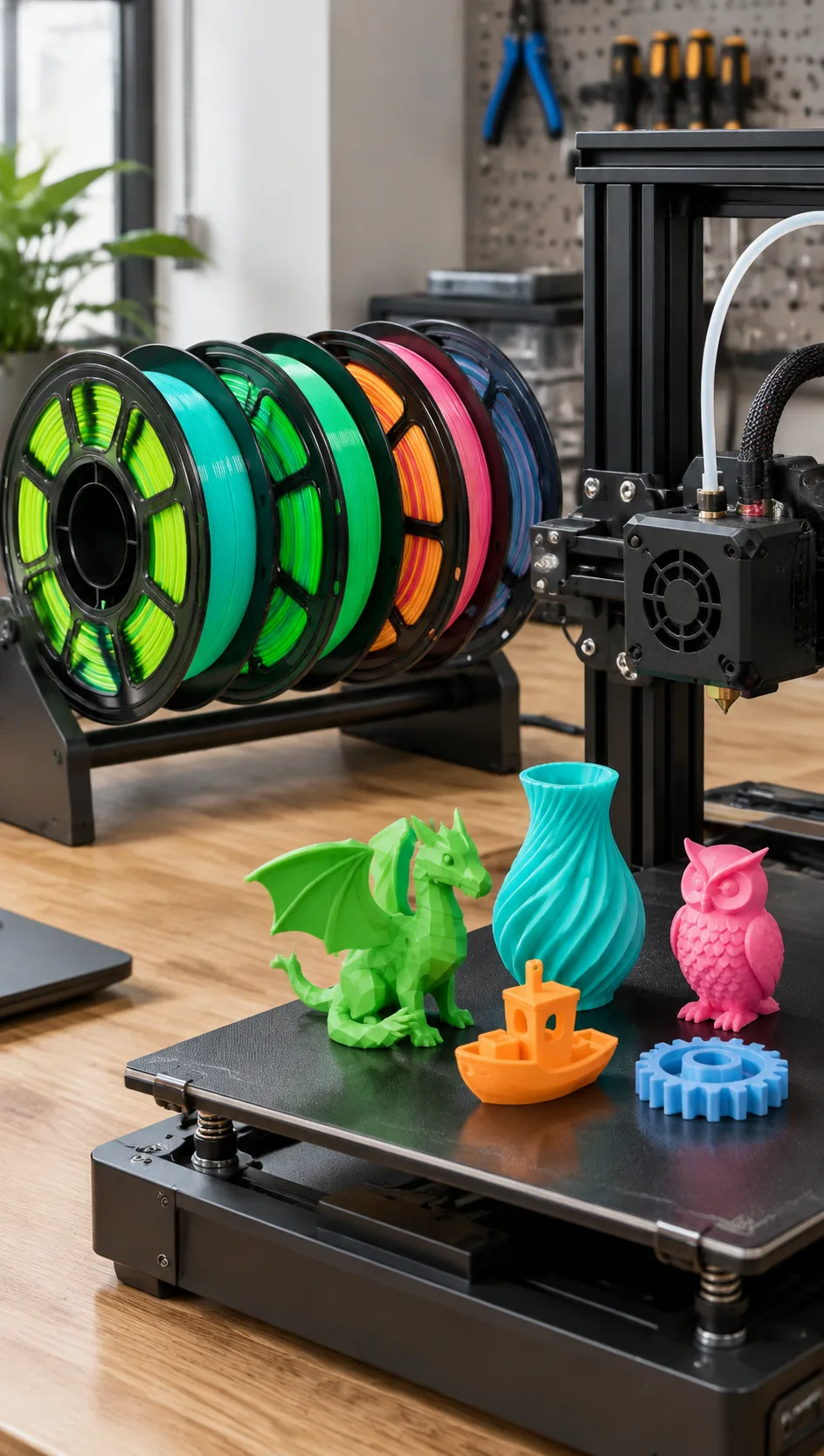
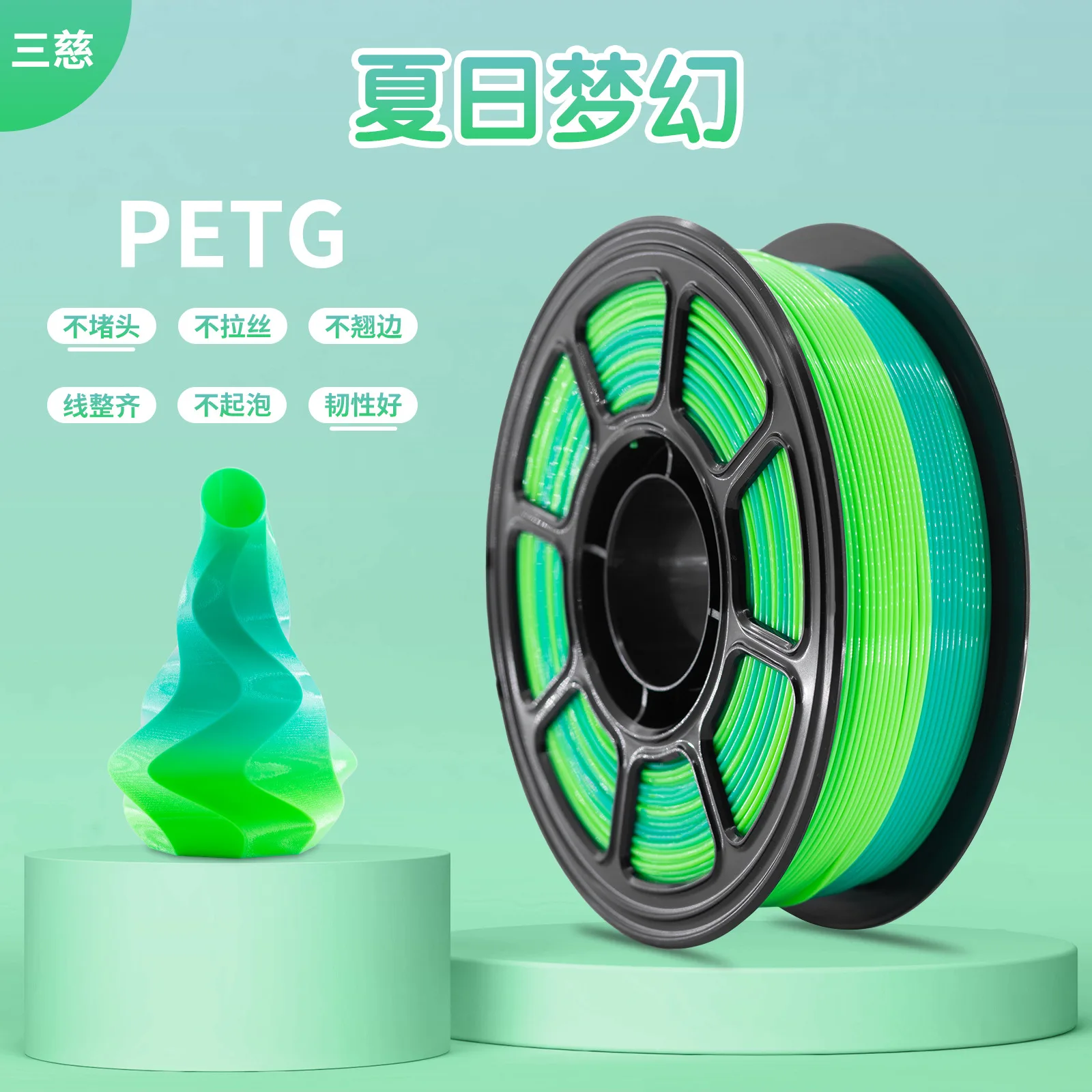
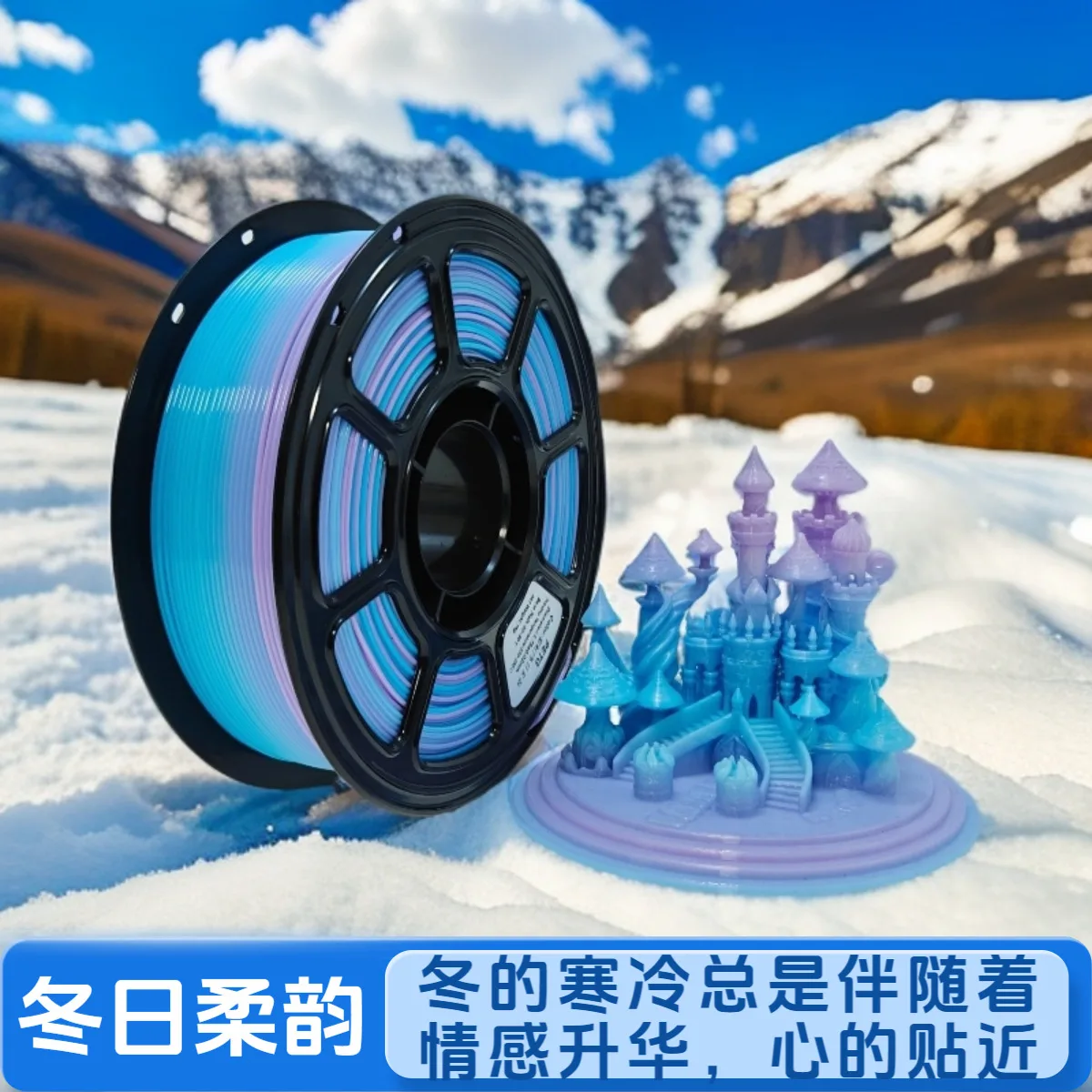
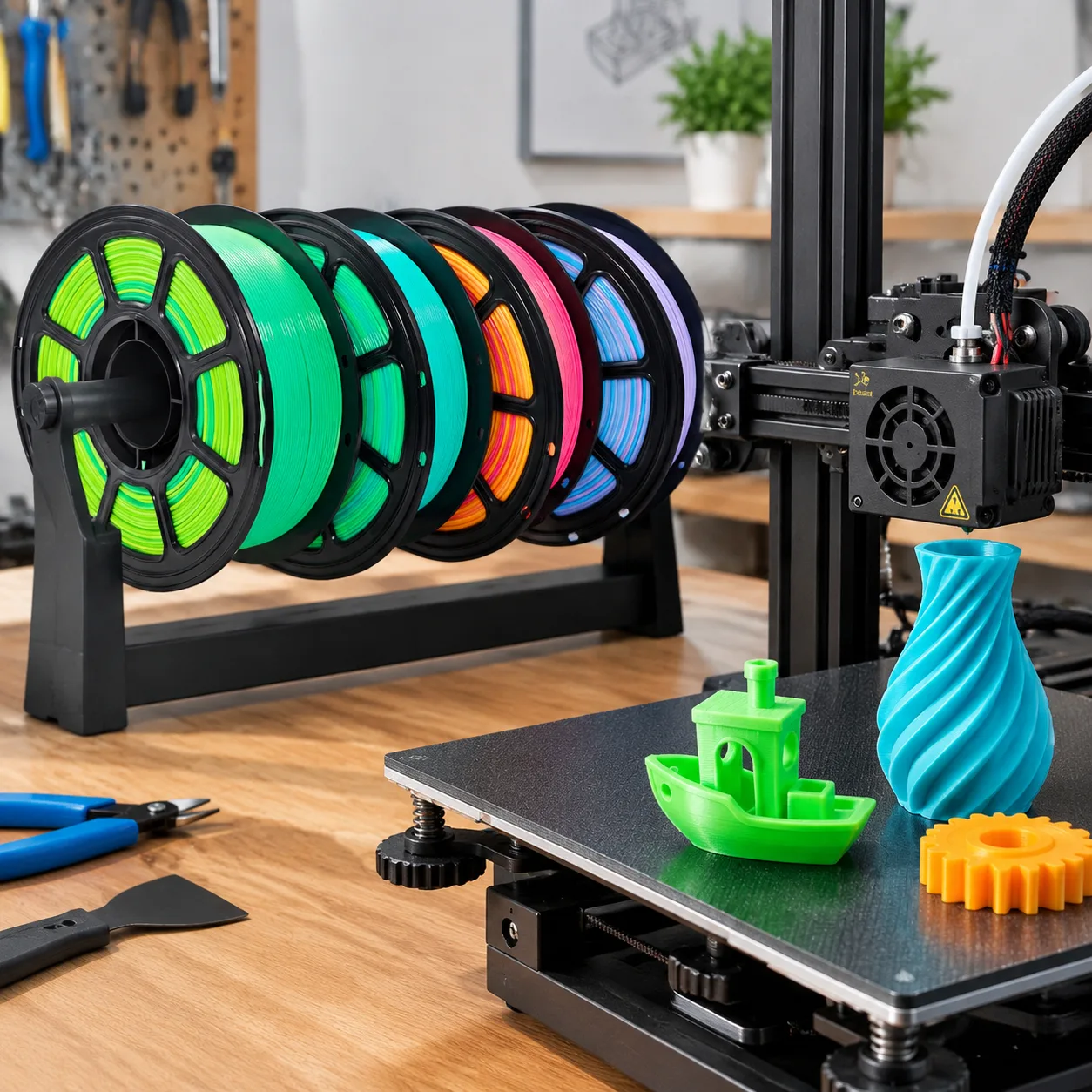
Four mix references are stocked: PETG Spring Blossom Mix, the lead colour on this listing, plus PETG Summer Dream Mix, PETG Autumn Splendor Mix and PETGWinter Soft Tone. The shade mix runs through the strand, so a printed part carries the blend on its own surface with no paint step, and every reference has its colour name on the spool label - a reorder is placed against the same reference instead of being matched by eye from a photo.

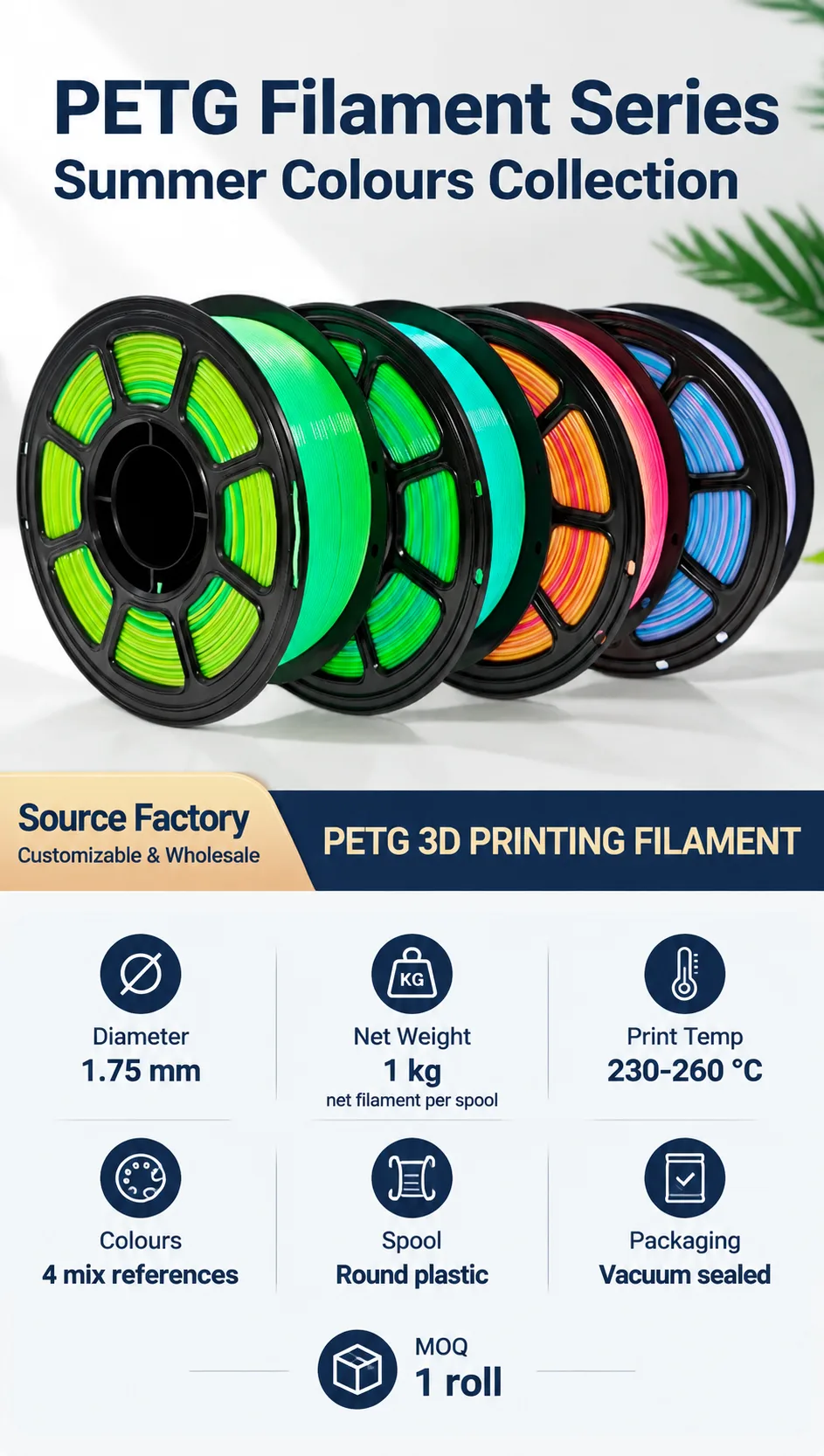
Recorded parameters: 1.75 mm diameter, round spool profile, 1 kg net filament per spool, recommended nozzle temperature 230-260 °C. The round cross-section holds an even extrusion bead and tension-controlled winding keeps the strand feeding without crossovers, so a batch of brackets or jigs comes off the plate looking like the first one - which is the repeatability a print farm is actually paying for.

Runs on standard 1.75 mm FDM machines - Bambu Lab, Creality and Prusa-style printers included - with a 0.4 mm nozzle, no heated chamber and no AMS or multi-material unit required. PETG picks up moisture from air, so keep the spool sealed between jobs and dry it before a long or dimension-critical print

a dry roll is what keeps the wall clean and free of popping bubbles.

Technical Data

Specifications

Diameter 1.75mm
Tolerance ±0.03mm
Material PETG

Print Profile

Spring Mix PETG Filament 1.75mm 1kg Yiqiu3D Tough Impact-Resistant prints best at 230-260°C nozzle, 70-80°C bed.

Nozzle Temp230-260°C
Bed Temp70-80°C

Spool Specification

Spool details for your feeding and handling setup.

Gross Weight1.35 kg
Spool Size (L×W×H)20 × 20 × 6.5 cm
Pack FormatPiece
Spool TypeRound Spool

Attributes

Country / Regionchina
HS Code39169010
Item No.spring-mix-petg-tough-impact-resistant-bambu
Diameter 1.75mm
Appearance Round Spool
Diameter 1.75mm
Appearance Round Spool
Before You Ask

Frequently Asked Questions

Why does PETG survive impacts that crack PLA?
PLA is stiff but brittle: it has almost no give, so an impact concentrates at one layer boundary and the part splits there. PETG is a glycol-modified PET, which makes the polymer chain more flexible, so the same impact is spread through the wall and the part flexes instead of cracking. That flexibility also gives PETG stronger layer-to-layer bonding and better resistance to moisture and to many common chemicals than PLA. It is not a high-temperature material - for parts held above roughly 70 °C, ABS or PC is the right grade.
Which printers can run this spool?
It prints on standard 1.75 mm FDM printers, including Bambu Lab, Creality and Prusa-style machines, with a 0.4 mm nozzle. No heated chamber and no multi-material unit are required, and a heated bed helps first-layer adhesion if your profile uses one. The roll is a standard plastic spool that fits common spool holders and enclosed holder boxes.
What print settings do you recommend?
Recommended nozzle temperature is 230-260 °C, and the mid-point of that range is a sensible starting point. Use a 0.4 mm nozzle at 0.2 mm layers with moderate part cooling: strong cooling sharpens bridges but can cost layer bonding. This listing does not quote a bed temperature, so take that value from your own PETG profile.
How much filament is on one spool?
Each spool is recorded at 1 kg net filament, wound as a 1.75 mm round strand on a standard plastic spool. No strand length figure is quoted for this grade; if you need the confirmed metre count for a specific colour, ask and we will check it against the winding record before the order ships.
What is this filament best used for?
Typical uses: outdoor enclosures and housings, brackets and mounting plates, clips and latches, water-adjacent jigs and fixtures, protective covers and containers that are handled daily. PETG also suits parts that see humidity or occasional chemical contact. It is not the pick for parts in sustained heat above roughly 70 °C - ABS or PC serves those better - and very fine cosmetic detail prints cleaner in PLA.
How should the spool be stored?
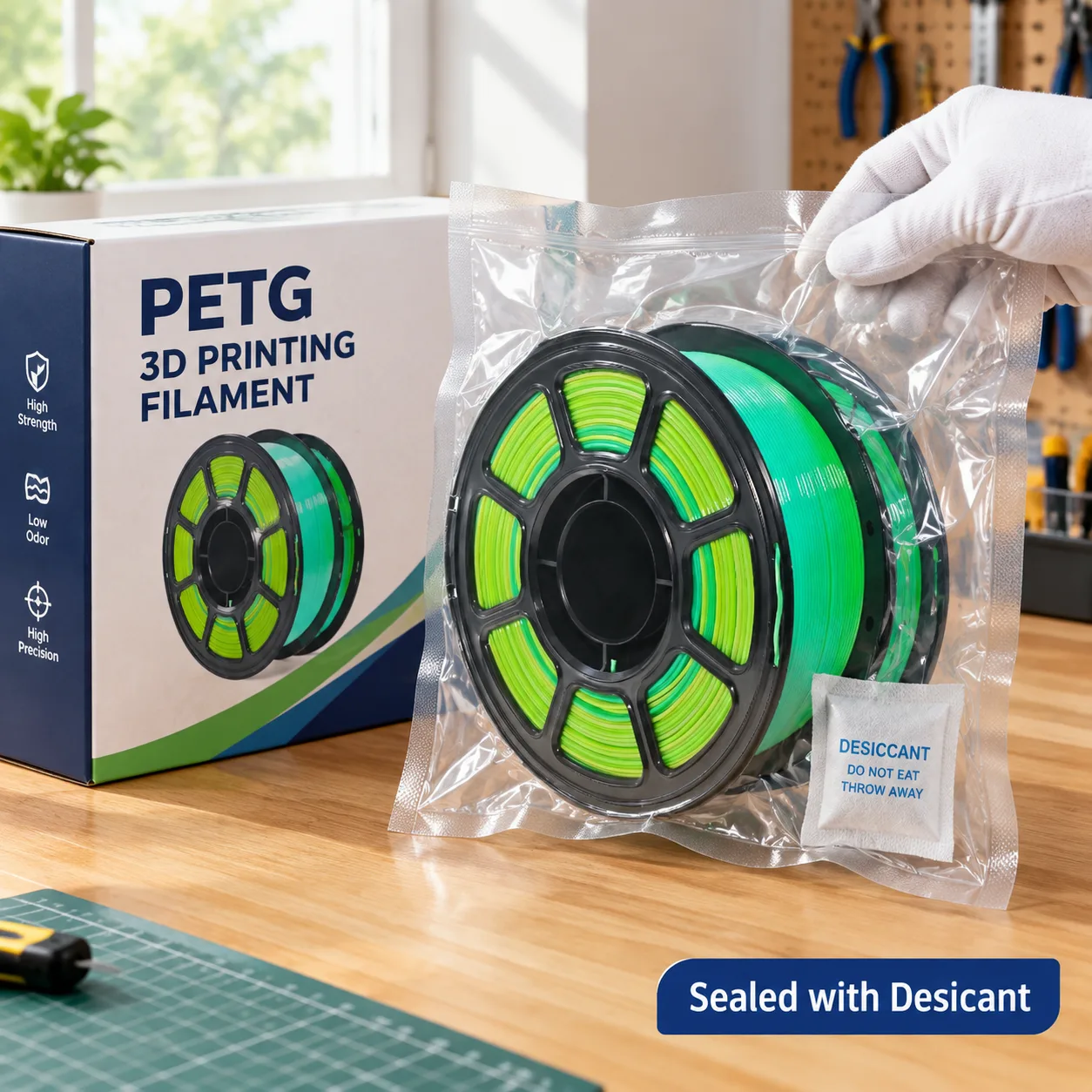
Spools ship vacuum sealed with a desiccant pack inside a printed box. Once opened, keep the roll in a sealed container away from damp air and direct sunlight and leave the desiccant with it. PETG absorbs moisture, which shows up at the nozzle as popping, bubbles and a rough wall; drying the roll before a long or dimension-critical print is normal practice and protects the interlayer bonding this grade is bought for.

Documentation & Downloads

Everything we publish for this material, in one place.

Ready to Order

Get factory-direct pricing on Spring Mix PETG Filament 1.75mm 1kg Yiqiu3D Tough Impact-Resistant

Not sure this is the right material? → Compare filaments