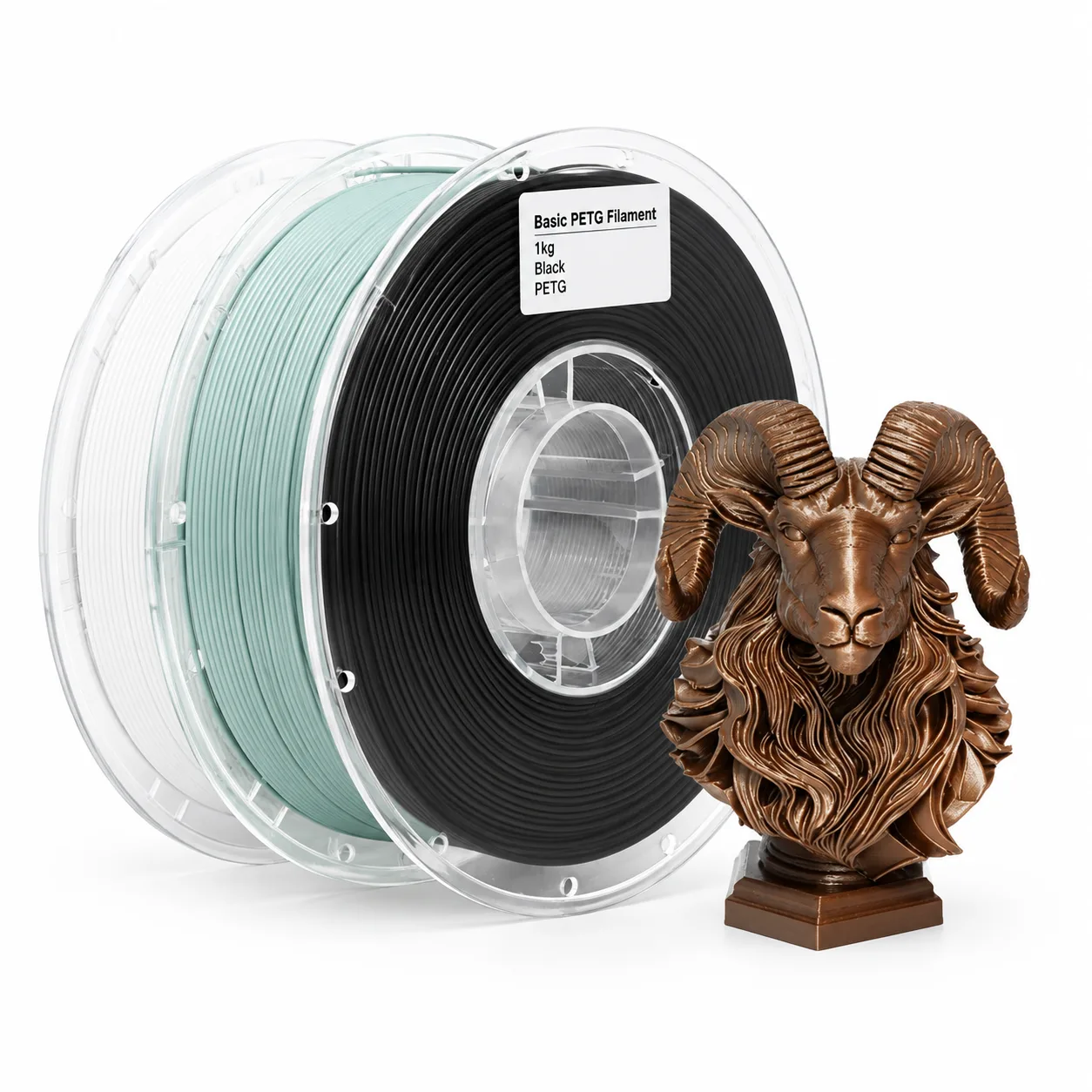
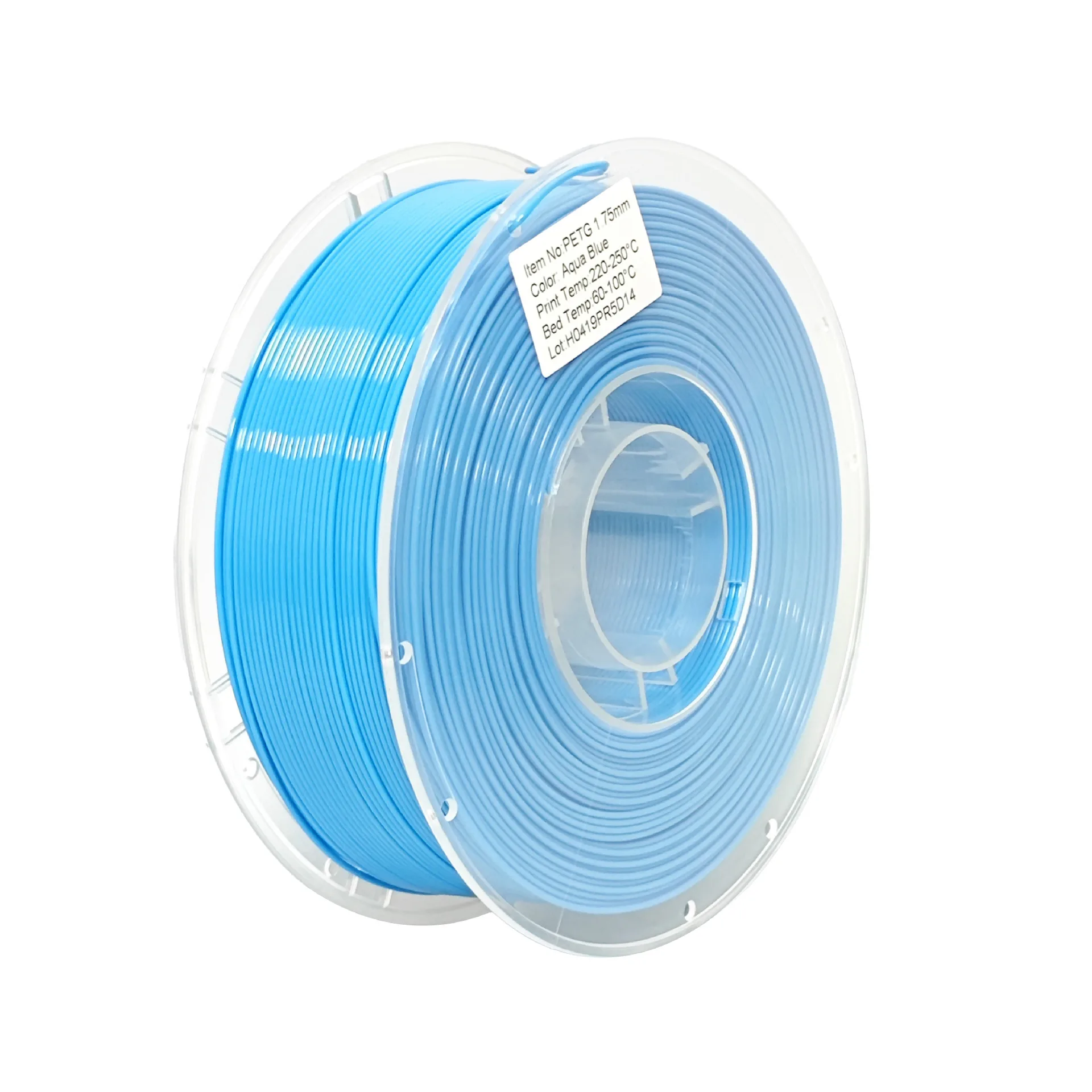
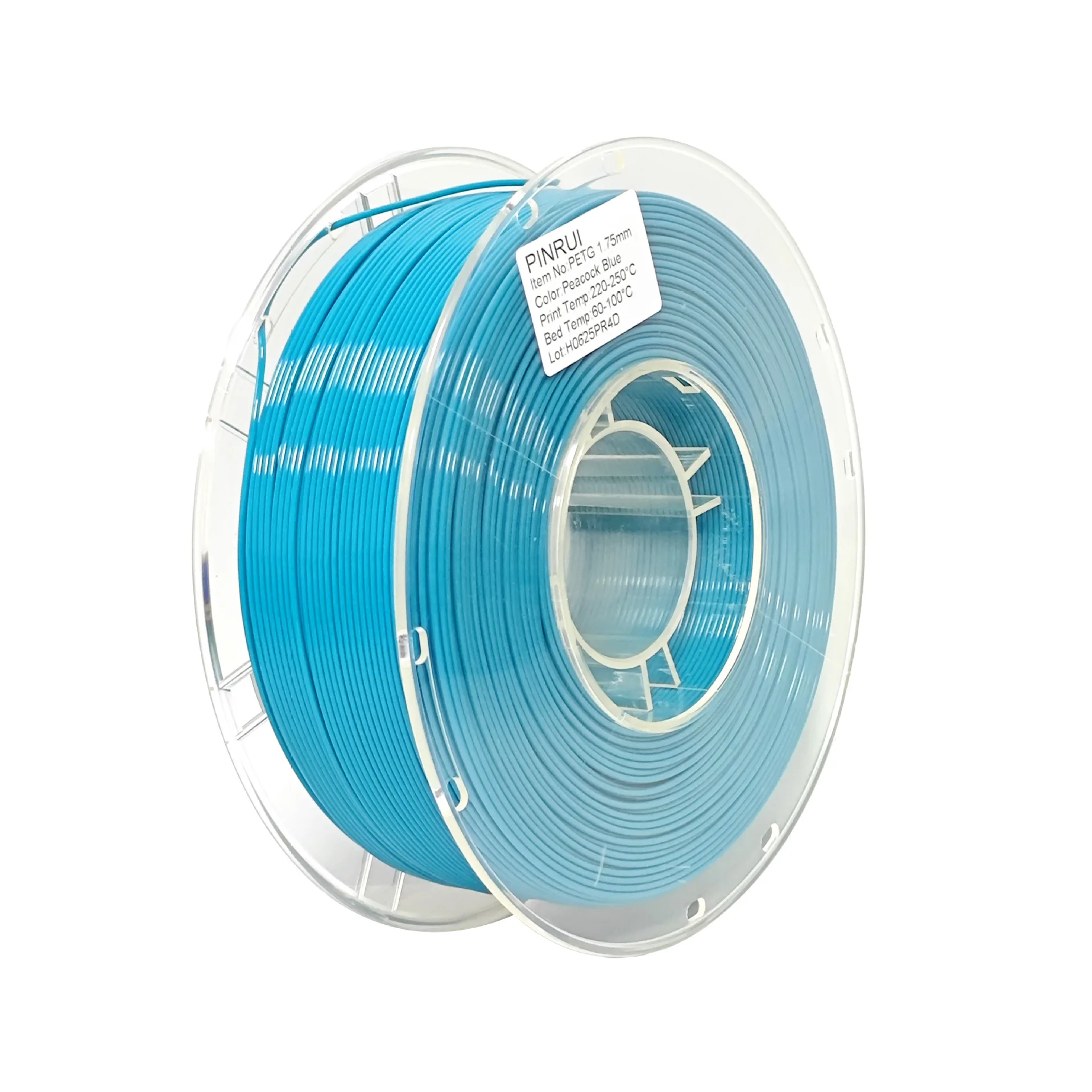
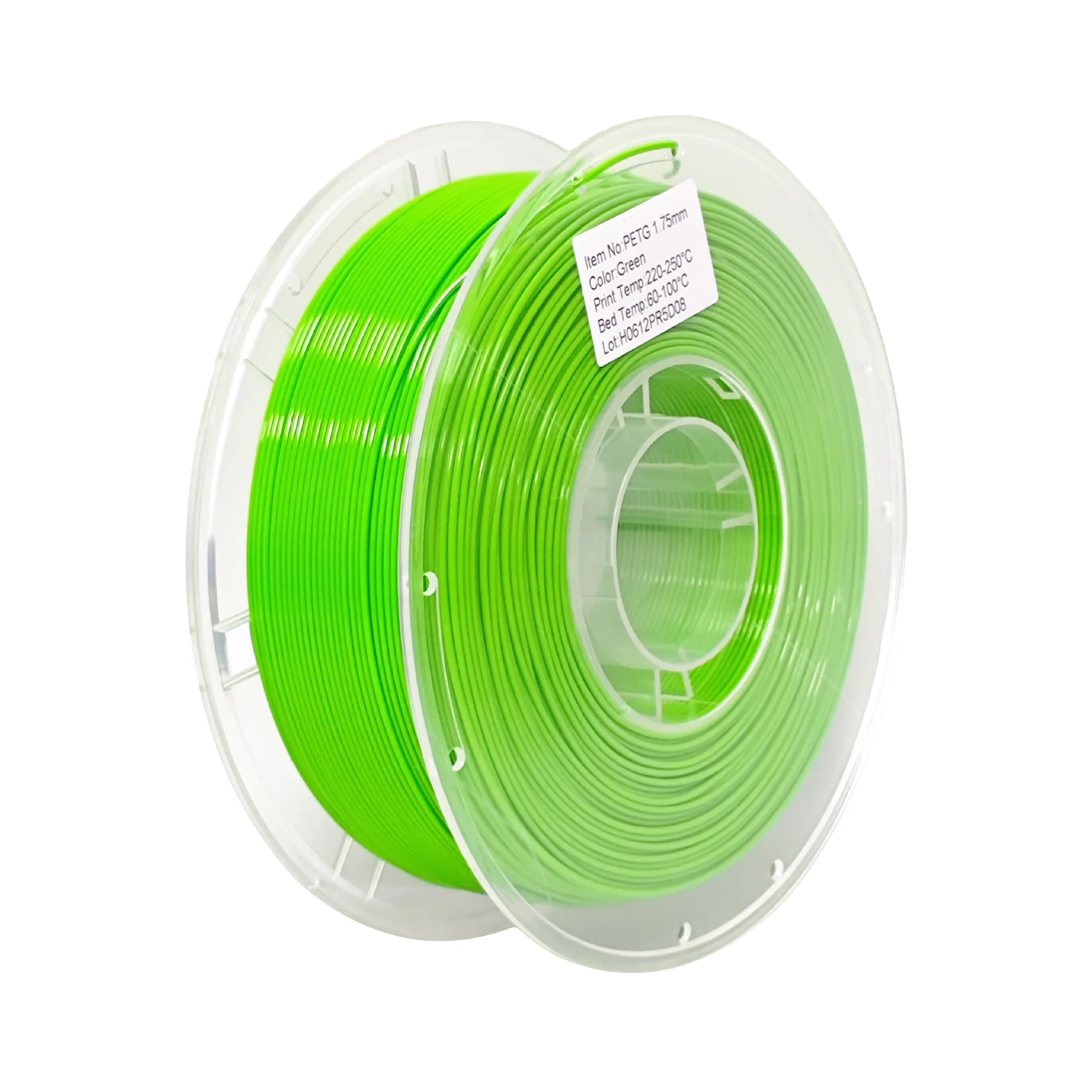
PETG 1.75mm 1kg

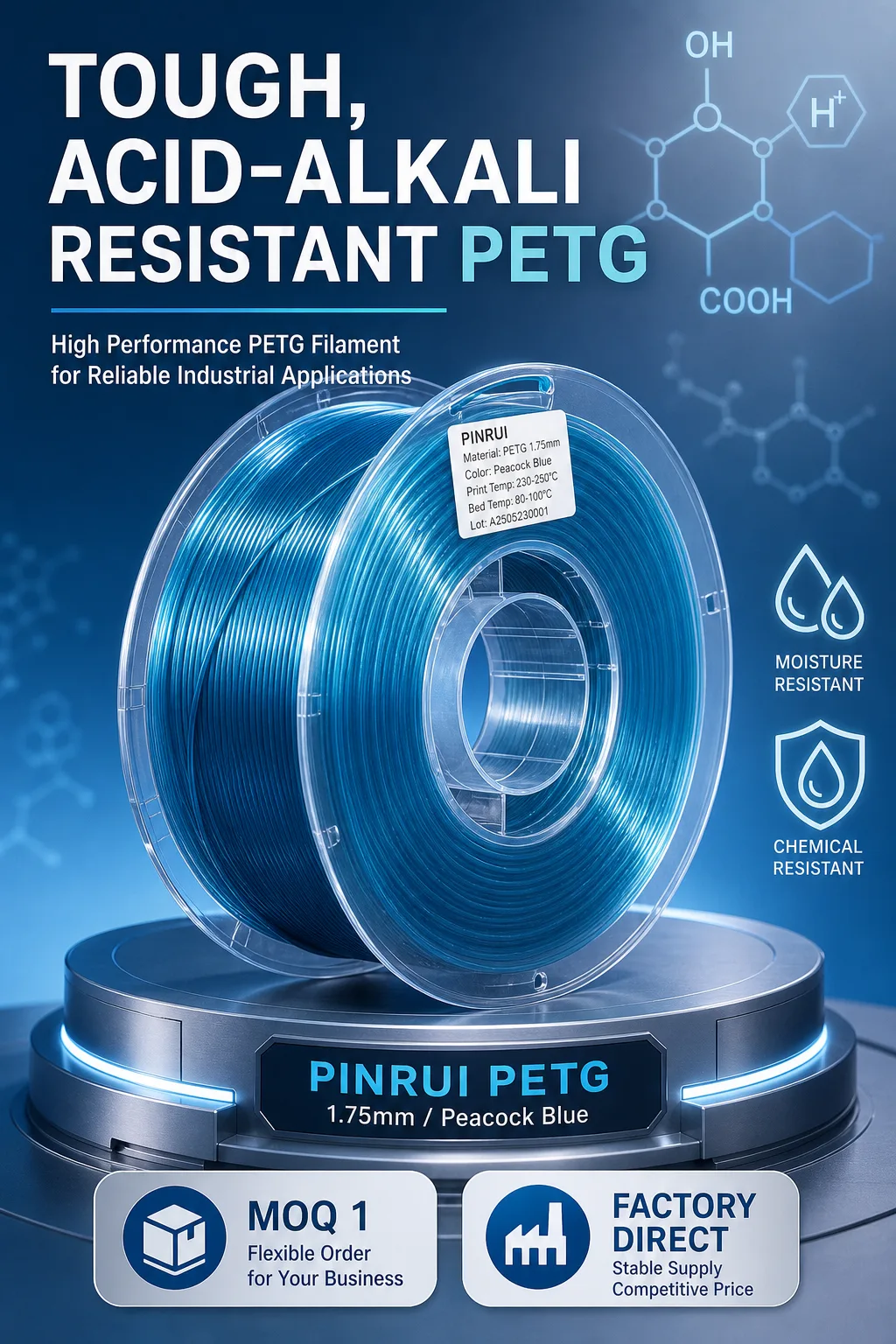
Brand: Yiqiu3D · PLA parts that crack under load or melt in sunlight? Our PETG combines PLA-level printability with real toughness — acid- and alkali-resistant, impact-friendly and stable outdoors where PLA fails — for functional parts that have to last.

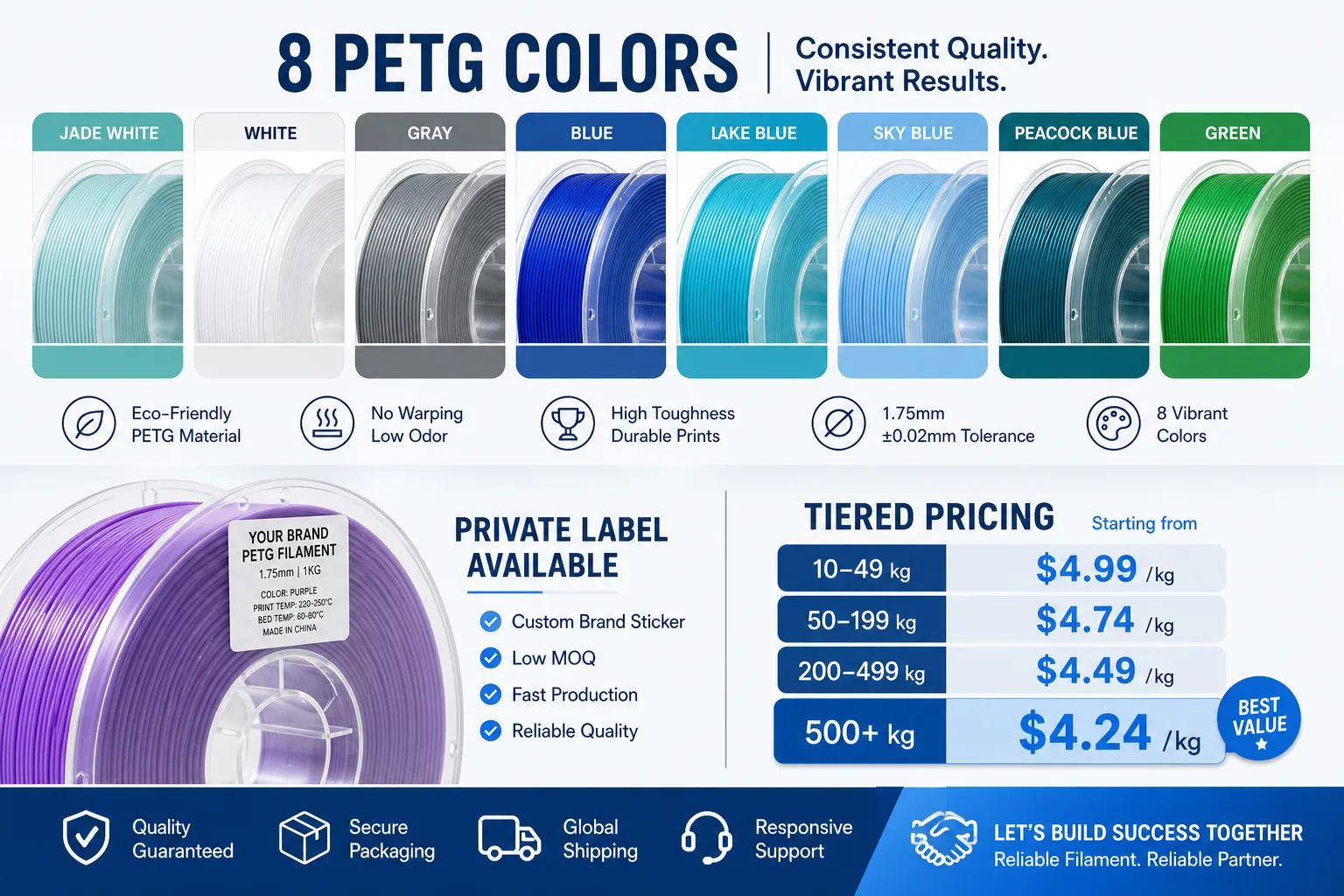
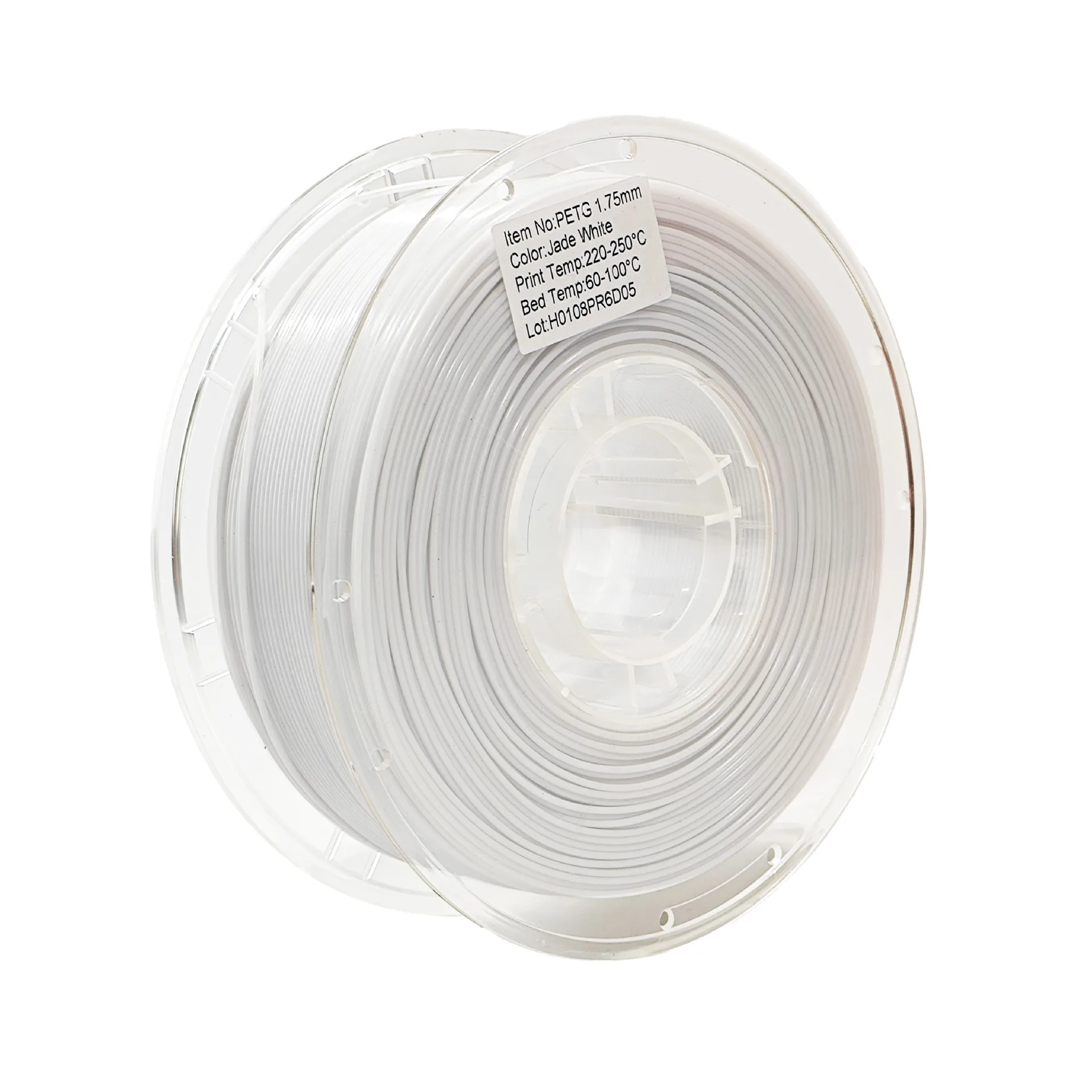
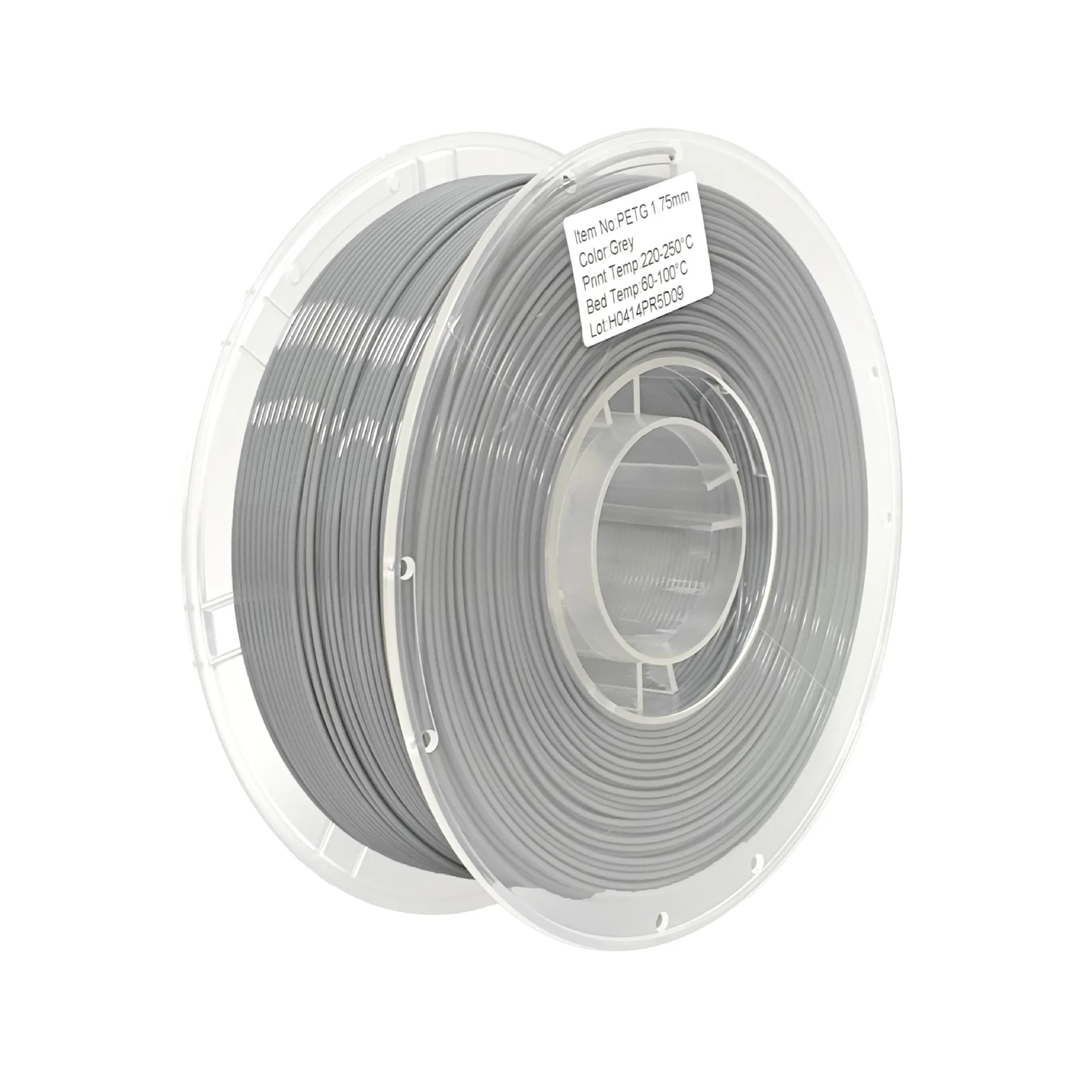
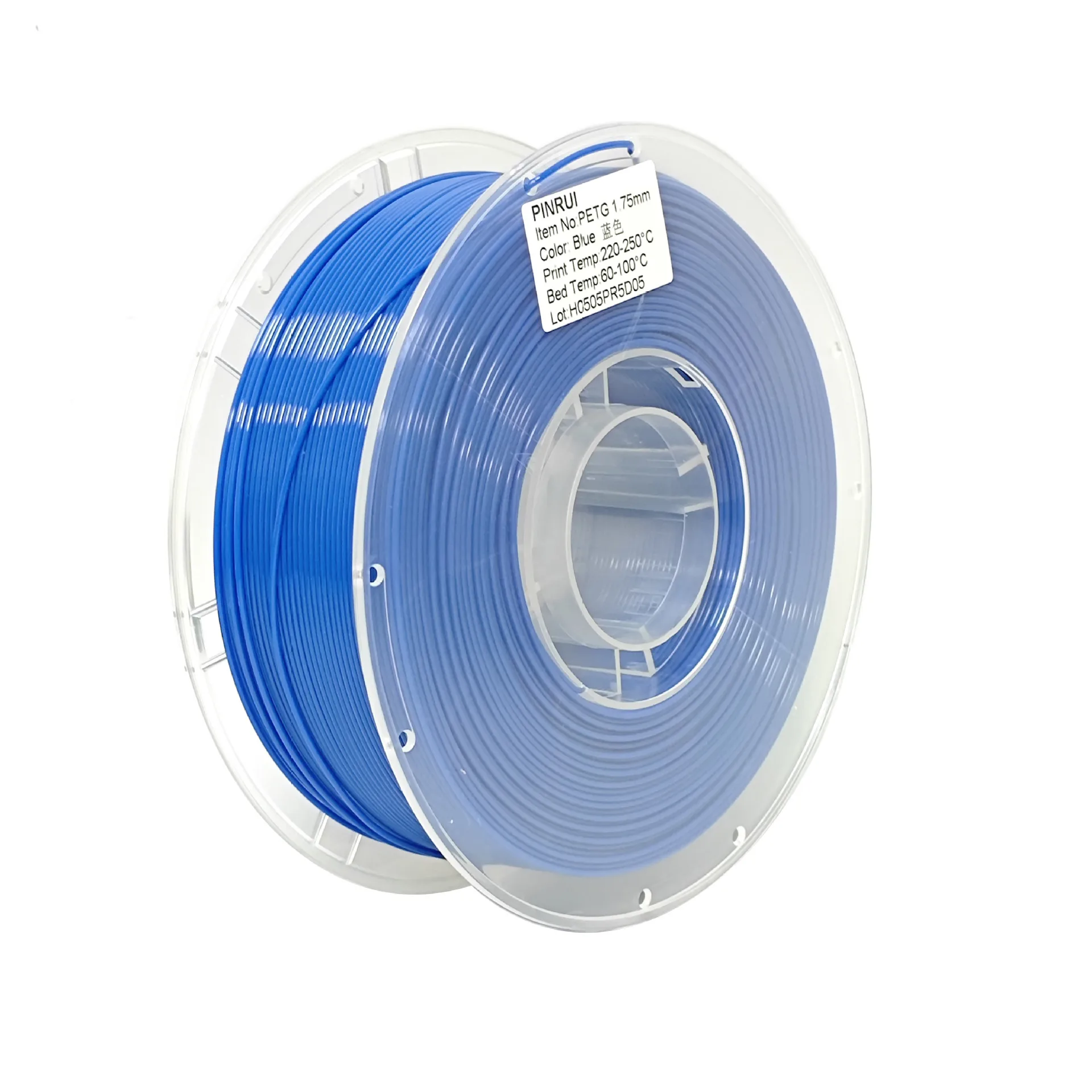
  • Clarity you can rely on? The PETG range spans Jade White
  • PETG is stringy by nature
  • Tough material
Compare filaments
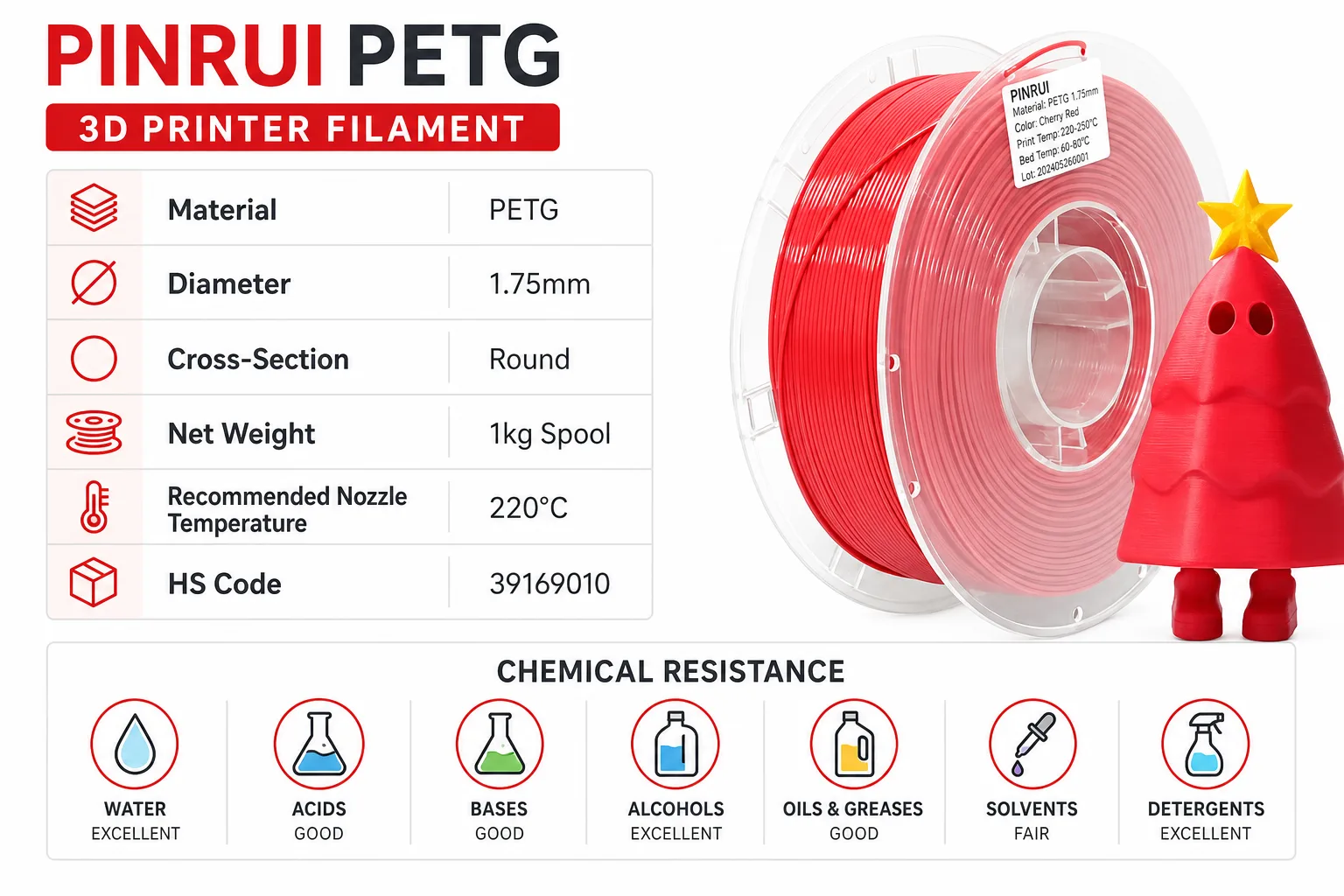
Diameter 1.75mm
Material PETG
Quick Answer

Why choose PETG instead of PLA or ABS?

PETG sits between PLA and ABS: tougher and more chemical-resistant than PLA, yet it prints almost as easily and needs no enclosure like ABS. It also resists moisture, UV and dilute acids and alkalis better than PLA, making it ideal for outdoor and functional parts.

Full answers below
Is it right for my project?

Best for: Ideal for mechanical prototypes that must be tested hard and printed again cheaply - available in 9 colours; 1kg spools; lead colour PETG Black. Not ideal for: Not for high-friction sliding surfaces; a nylon or POM-style grade wears better - available in 9 colours; 1kg spools; lead colour PETG Black.

Print settings

Nozzle 230-260°C

01 · Why this one

Product highlights

3 reasons

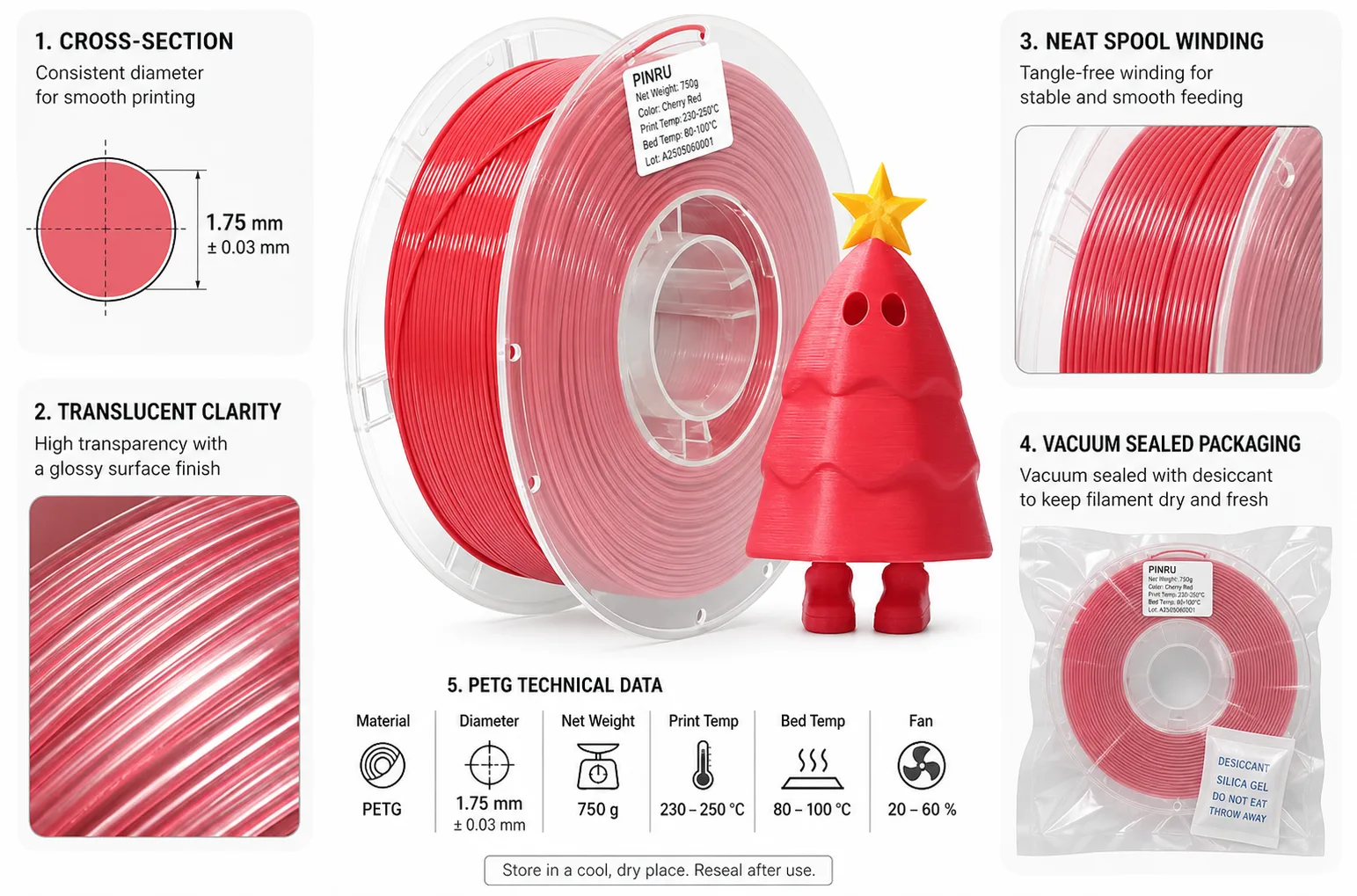
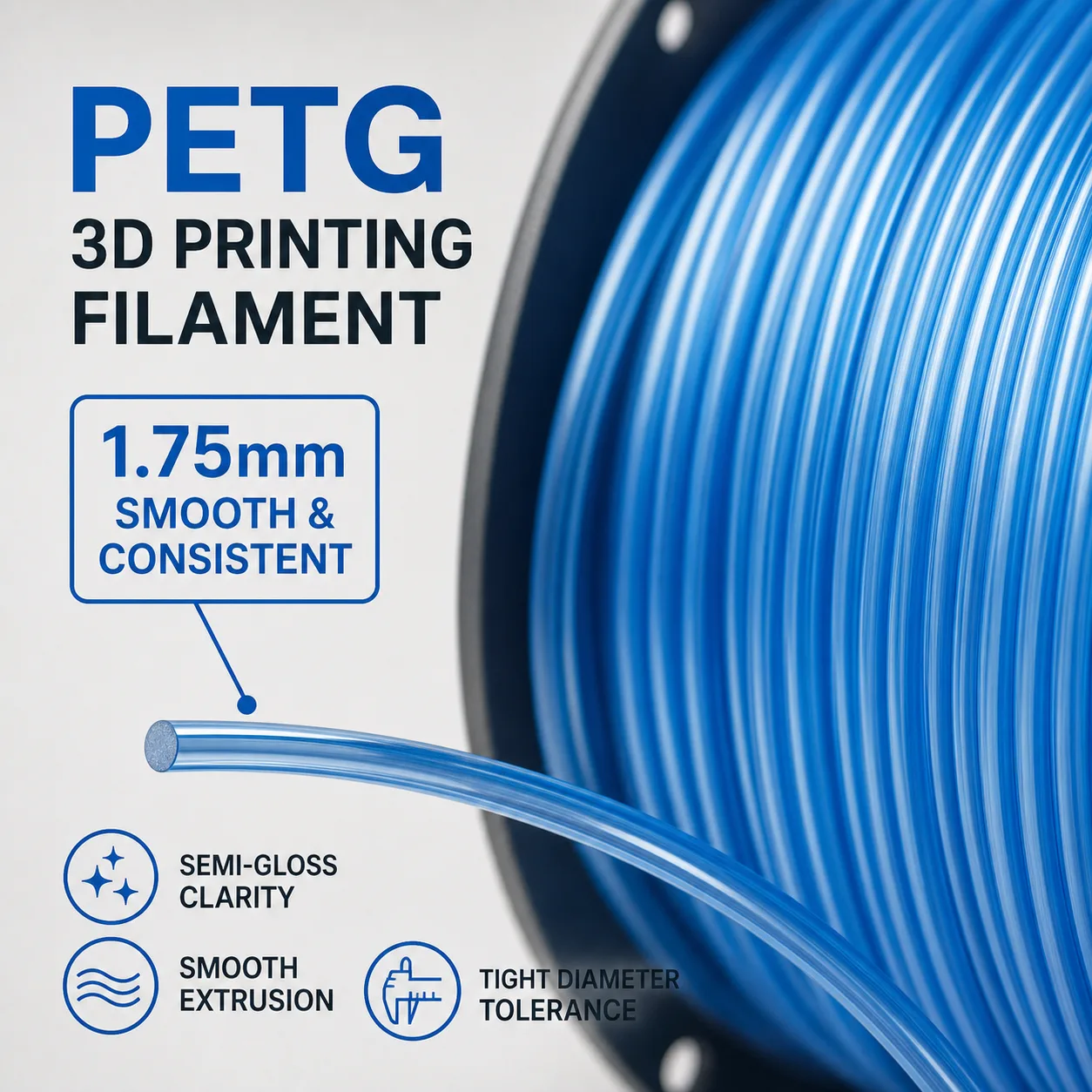
Clarity you can rely on? The PETG range spans Jade White, White, Gray, Blue, Lake Blue, Sky Blue, Peacock Blue and Green, with translucent depth and a smooth semi-gloss surface that looks engineered, not printed.

PETG is stringy by nature

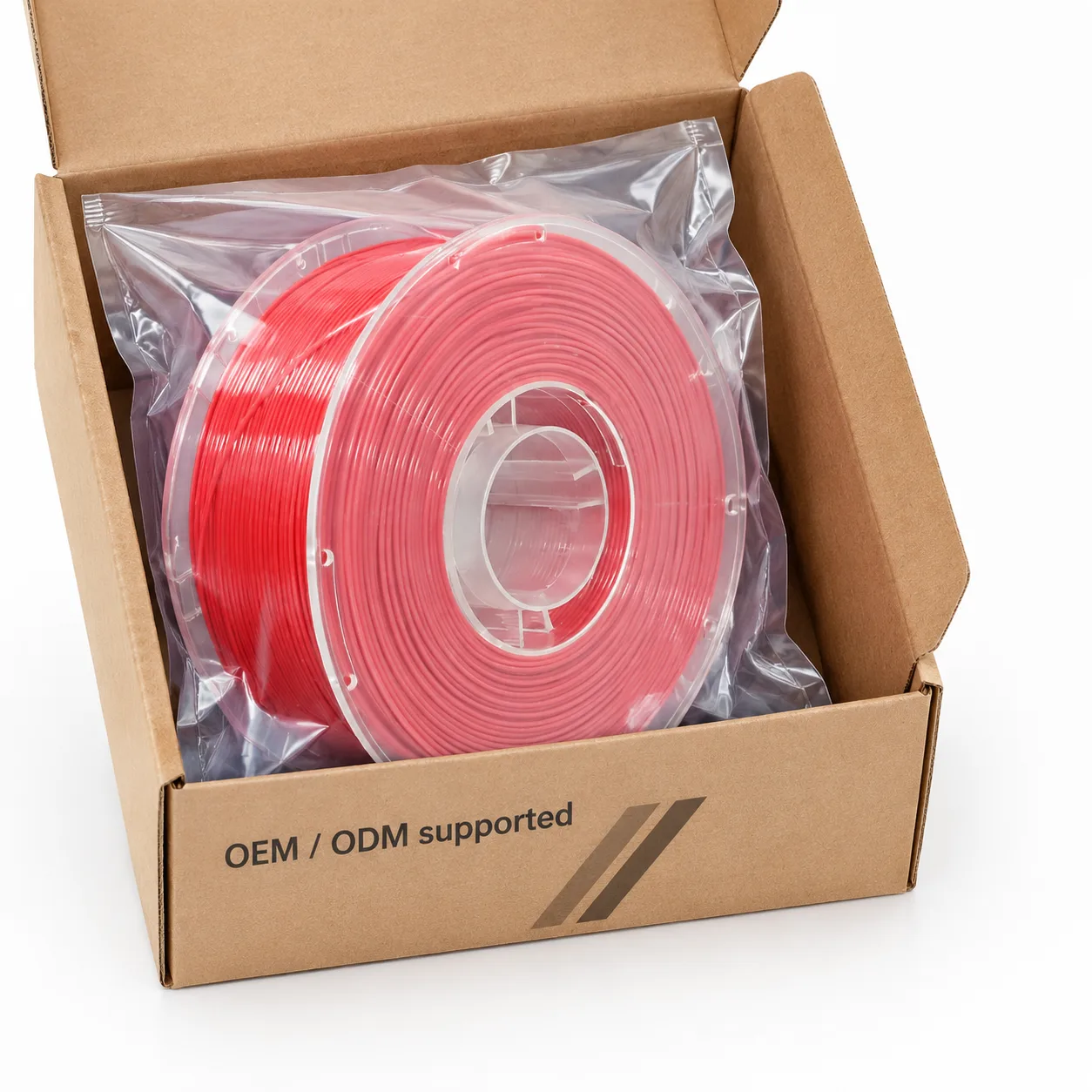
ours is tamed. Consistent 1.75mm diameter, precise extrusion temperature control and tensioned winding keep oozing and tangles in check, with vacuum-sealed, desiccant-packed rolls for batch-stable quality.

Tough material, friendly settings: it prints cleanly at 220°C on Creality, Prusa and other 1.75mm machines with standard PETG profiles, and sticks well to a heated bed without the enclosure other engineering materials demand.

Technical Data

Specifications

Diameter 1.75mm
Material PETG

Print Profile

PETG 1.75mm 1kg prints best at 230-260°C nozzle.

Nozzle Temp230-260°C

Spool Specification

Spool details for your feeding and handling setup.

Gross Weight1.35 kg
Length330 meters
Spool Size (L×W×H)21 × 21 × 7 cm
Pack FormatKg

What You Receive

PETG is stringy by nature — ours is tamed. Consistent 1.75mm diameter, precise extrusion temperature control and tensioned winding keep oozing and tangles in check, with vacuum-sealed, desiccant-packed rolls for batch-stable quality.

  • Vacuum-sealed bag
  • Desiccant pack
  • Arrives dry and ready to print

Attributes

Country / Regionchina
HS Code39169010
Item No.petg-3d-printer-filament-acid-alkali-resistant-high
Product Name PETG 3D Printing Filament
Grade PETG 3D Printing Filament
Cross-Section Round
Item No. PETG 3D Printing Filament
Application 3DPrinting
Appearance Various Colors
Length 330 meters
Before You Ask

Frequently Asked Questions

Why choose PETG instead of PLA or ABS?
PETG sits between PLA and ABS: tougher and more chemical-resistant than PLA, yet it prints almost as easily and needs no enclosure like ABS. It also resists moisture, UV and dilute acids and alkalis better than PLA, making it ideal for outdoor and functional parts.
Is it compatible with my printer?
Any 1.75mm FDM printer — Creality, Prusa, Bambu Lab, Anycubic. Direct-drive extruders manage retraction a little better, but Bowden setups work fine with tuned settings.
What print settings does PETG need?
Nozzle 220°C per the card, bed 70-80°C, print speed 40-60mm/s. Tune retraction (around 1-2mm on direct drive) to keep stringing minimal.
How long does a 1kg spool last?
A 1kg spool of 1.75mm PETG holds roughly 330m, enough for a long series of brackets, housings or outdoor parts depending on infill.
How do the colors and clarity look?
The eight colors — Jade White, White, Gray, Blue, Lake Blue, Sky Blue, Peacock Blue, Green — carry a smooth semi-gloss surface with subtle translucency, and batch control keeps tone consistent across rolls.
What print speed range is safe?
30-80mm/s works; 40-60mm/s gives the best layer adhesion and surface. Very fast printing increases stringing and weakens layer bonds.
Is PETG for end-use functional parts?
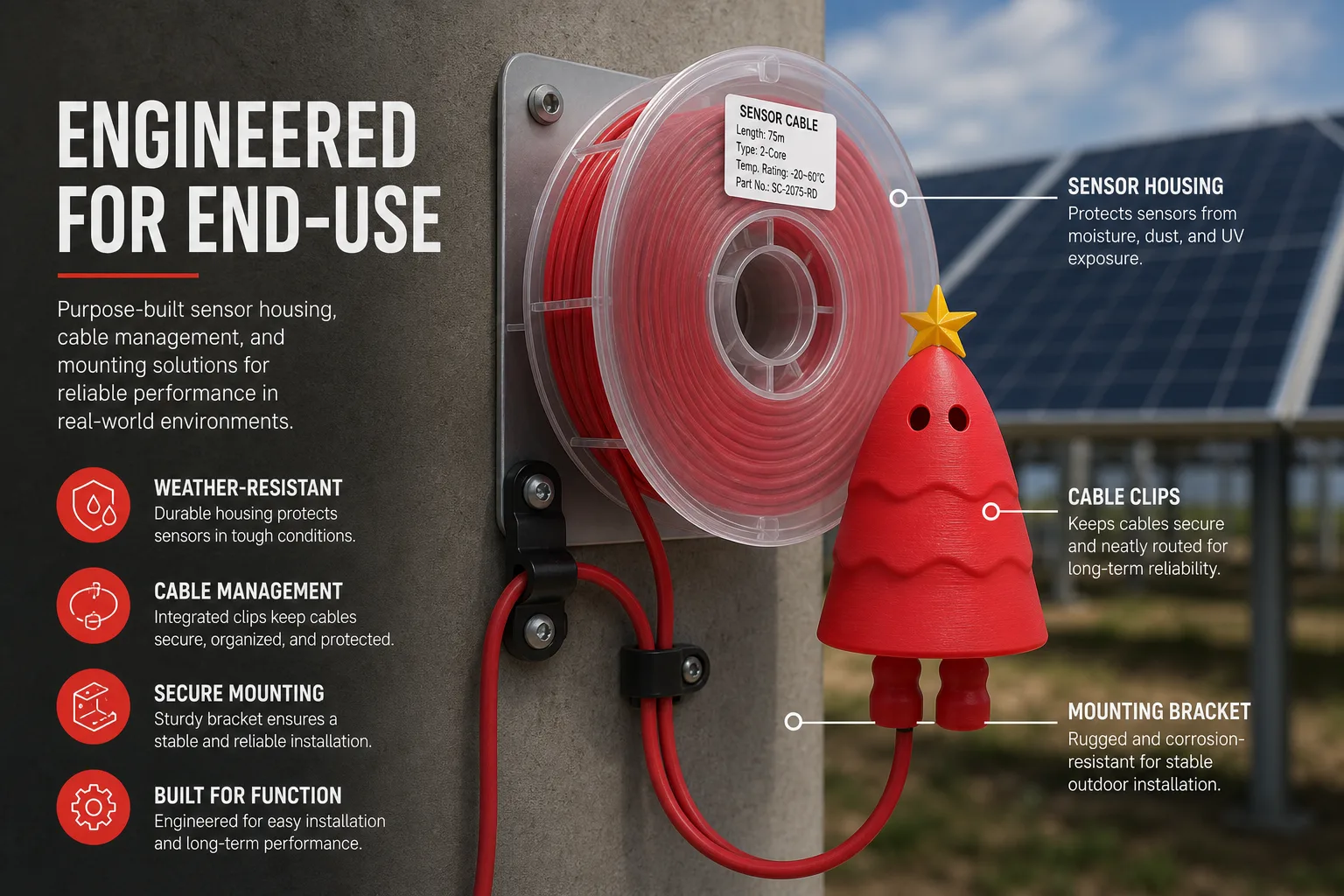
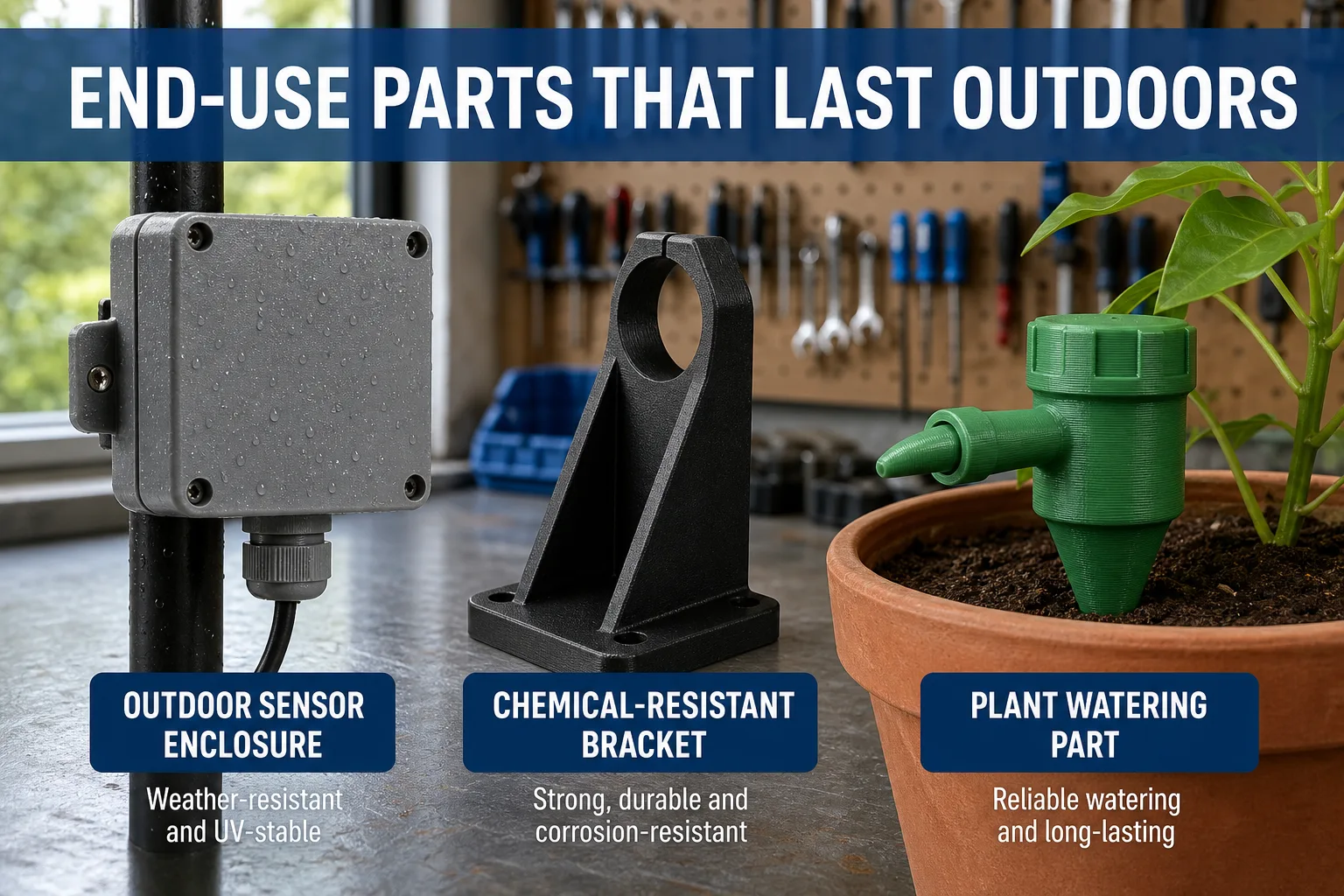
Yes — this is an end-use material: outdoor sensor housings, chemical-exposure brackets, mounting parts and mechanical components. It is not certified for food contact.
How should PETG be stored?
PETG is hygroscopic, so keep it in the vacuum-sealed bag or a dry box below 40% relative humidity. Dry any spool that has been open for a while before critical prints.

Documentation & Downloads

Everything we publish for this material, in one place.